Heart Attacks In Young People
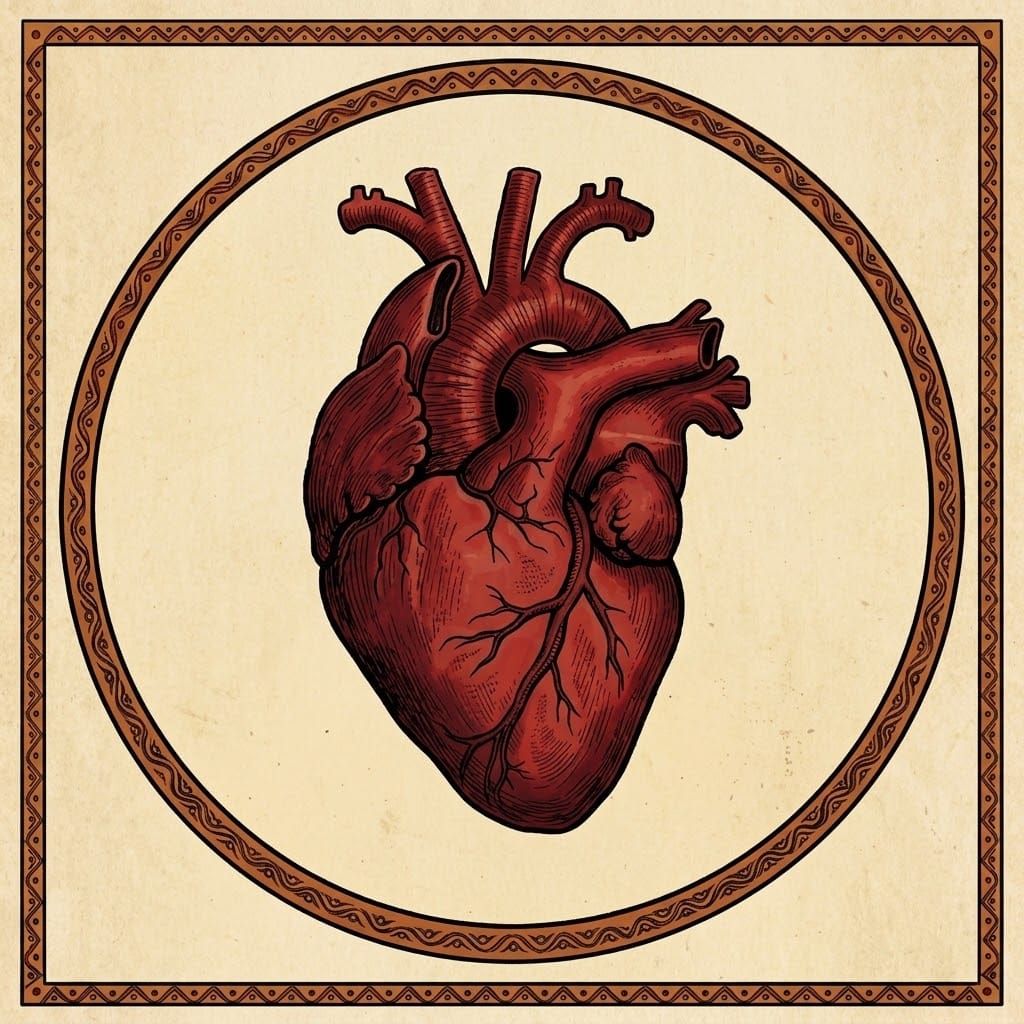
I am starting a series of articles on heart attacks in young people (i.e. men and women below age 50 years). The main aim of this series is to make people aware of what all can increase the risks of heart attacks and how these risk factors can be modified. The target population for this series is mainly young individuals between ages 15 to 50 and parents of children below age 15, though all age groups might benefit from the read.
Obesity- Why do we gain weight so easily?
Obesity is on an alarming rise in India with fitness levels at a massive low. The common body pattern is what is known as "thin fat", a large tummy because of fat deposition along with pencil thin arms. This is present in all age groups including youngsters or people below 50 years and belonging to all socio-economic classes. Young women and girls are affected equally as well.
This is in stark contrast with the population in the West- though they have their fair share of overweight and obese people, general fitness levels in the population are very high. This made me check the data - recent statistics show that a staggering 45% of young women and 35% of young men in India might be overweight or centrally obese! If these records are true, we are talking about almost every alternate young woman and every third young man (who are considered the productive population for a country) being overweight in a population of 1.5 billion people. We all can imagine the huge burden of overweight that our country has.
Overweight/obesity and central (tummy) fat with or without thin arms and legs are risk factors for a heart attack in all age groups, including the young population. Obesity also increases other problems like high blood pressure, diabetes risk, joint problems, infertility, risk of strokes, even cancers and multiple other illnesses.
Why are Indians more prone to becoming overweight so easily?
- Oh, those genes!
First humans beings (Homo sapiens) emerged through evolution 300,000 years ago, and the modern humans or the Stone Age people evolved 50,000 years ago. Though it has been 50,000 years since the Stone Age, the metabolic profile of the modern-day person is very similar to the metabolic profile of the Stone age person. This means that from the point of view of genetics, we digest the food that we eat in a similar fashion as the humans who lived 50,000 years ago! The Stone age person's genes evolved to "make hay while the sun shines." They evolved to survive famines or severe food shortage for prolonged durations- the people who survived the worst of the famines gave birth to the next generation- hence the "survival of the fittest " gene of energy preservation was passed on strongly into us from our ancestors who lived a very active and food deficient life.
Now imagine a modern person having those "surviving severe food shortage" genes living the modern lifestyle with ample food and no strict necessity to exercise!! This sedentary lifestyle and food excess have become more apparent in the last 2 decades, which has henceforth made a majority of people overweight or at least centrally overweight. The age at which unhealthy weight gain starts is terrifyingly lowering with time too, with more children and adolescents becoming overweight earlier leading to overweight youths, and the heart attack which previously affected people in their 50s and 60s is now affecting people in their 30s and 40s. These famine resistant genes are even more prominent in the Indian population as we have historically faced severe food shortages over centuries.
- Faulty diet
Like our genes, which evolved to face multiple food shortages, the traditional food of India evolved to give large amounts of energy in small portions, AKA the carbohydrate rich diet. There are 3 energy providing units in our food- carbohydrates, proteins, and fats. Indian diet is typically very carbohydrate rich (and fat rich if you eat fried food) and protein deficient - which fulfilled the energy requirements of our famine stricken ancestors. If we are eating a carbohydrate rich diet (which majority of us do) the energy provided by the carbs is not fully utilized -as majority of us are not doing heavy physical work by hunting or farming for food as our ancestors- due to which the excess energy from carbs converts into fats on our tummy. This badly messes up our insulin function and leads to pre-diabetes and diabetes.
If we add to the above the massive increase in fast food consumption and increasing party culture driven by rapid food delivery services, easy availability and deceptively cheap prices, it is no wonder the health of youths is suffering so badly and we are being pushed towards this obesity pandemic.
- Sedentary lifestyle
These words are self-explanatory, and we have increasingly become more home-bound, more inactive potato couches than ever due to modern lifestyle.
- Addictions
The traditional addictions like smoking, alcoholism lead to obesity particularly central obesity or large tummy. New addictions which are increasingly more common include screen addiction to TV, mobile phones, OTT, social media, video games etc. and these contribute to obesity very significantly these days. Food addiction and excessive eating is also something which we see now more and more where the satiety centers of brain are re-wired over time due to non-mindful eating (i.e eating while distracted such as while watching TV), binge eating etc.
- Hormonal causes
Pre-diabetes, diabetes, thyroid issues, PCOS (newly renamed as PMOS in women) remain important causes. Additionally, chronic stress and poor sleep elevate our cortisol levels and indirectly leads to weight gain.
So the next question is- how do we counteract this ever increasing obesity? I will be discussing these topics in more detail in later articles but the bottom line is, this will require major systemic reforms from the government level itself - starting right from creating awareness about this in each and every person of the population.
Children should be taught about the harmful effects of sugary and ultra processed foods and should be encouraged to maintain a healthy, active lifestyle. And finally, modern problems require modern solutions -
- Modifying the genetic disadvantage by actual fasting and being active like a Stone age person in a modern way - intermittent fasting, mindful eating and exercising. If nothing works for weight reduction and if you are the right candidate for it, many safe and effective weight loss drug treatments are available today. At the end of the day, in my opinion, it is better to be treated medically for obesity than to suffer from the consequences due to it.
- Faulty diet - One way in the modern day to fix this can be with the help of qualified dieticians and registered medical practitioners (RMP). Please consult an RMP for any dietary, lifestyle and pharmacological change based on your current health and fitness status. Consulting AI chatbots is a double edged sword as these are prone to subtle or overt hallucinations and can give medical misinformation, and as such not recommended. The chatbots also may appear intelligent but do not understand nuances, such as the dietary advice for a chronic kidney disease patient will be different from one with heart disease and needs to be highly personalized.
- Sedentary lifestyle - The American Cardiology society suggests 120 to 150 minutes of aerobic exercise per week i.e running, walking briskly up an incline or uphill. Unfortunately walking on a plain surface for even 2 hours does not count, so considering walking as a complete exercise is a sham. Swimming, playing tennis etc are other healthy activities. Additionally, three days per week of weight training is extremely important to lose weight and maintain a healthy heart. Being active should be made a part of life eg. using stairs instead of lifts, walking to nearby stores instead of using vehicle or using delivery services.
- Addictions - Sometimes getting someone off an addiction is easier said than done. It can be very difficult to get rid of addictions as our brain chemicals constantly seek the addicting inputs. I strongly suggest seeking help from a professional psychiatrist/psychologist/de-addiction expert if any of the addictive behaviors including screen and food addiction patterns are recognized. De-addiction requires a scientific and systematic approach and trying on own might fail for some people.
- Hormonal causes - it is essential to get a baseline fitness/preventive check up at age 30 then at age 35, then at age 40 and further follow ups as per your physician. I will be writing a detailed article on preventive strategies later. These preventive check-ups can detect multiple such hormonal issues and risk factors for obesity and heart diseases. Chronic stress and inadequate sleep are to be considered as our mortal enemies and need to be dealt with promptly. Multiple effective techniques to improve sleep and reduce stress are available which I strongly suggest incorporating in daily living if someone has these problems.